
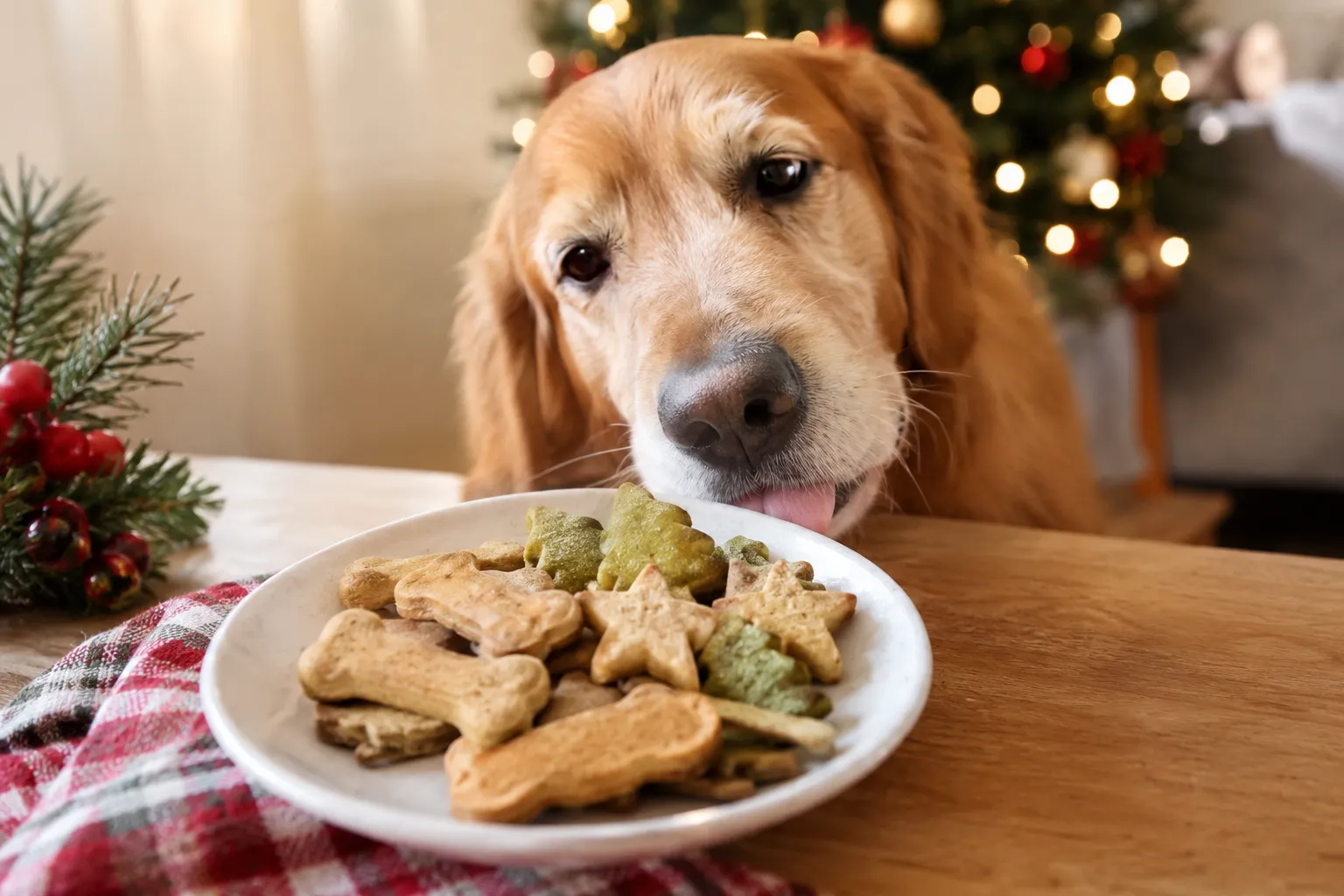
Homemade Christmas Dog Treats: 4 Easy Festive Recipes Your Dog Will Love
Christmas is a wonderful time to make your home feel warm and festive, and your dog deserves to be part of the celebration, too. If you enjoy baking during the holiday season, making homemade Christmas dog treats is a simple way to include your furry family member in the fun.
Instead of sharing sugary Christmas cookies, candy, or rich holiday desserts, you can prepare dog-friendly treats using a few carefully selected ingredients. Pumpkin, oats, apples, and plain peanut butter can be useful options for homemade recipes when they are suitable for your individual dog and prepared without unsafe additives.
The best part? You do not need complicated equipment or professional baking skills. With a few basic ingredients, you can make festive dog biscuits, crunchy cookies, and small frozen treats that are easy to portion and serve.
In this guide, you will discover four homemade Christmas dog treat recipes, step-by-step preparation instructions, storage tips, and important ingredient safety advice to help you celebrate the holidays responsibly with your dog.
Why Make Homemade Christmas Dog Treats?
Homemade treats let you choose the ingredients and adjust the size and texture to suit your dog’s needs. They can also make thoughtful, inexpensive gifts for friends and family members who have dogs.
Here are a few reasons to try making your own festive treats this Christmas.
You control the ingredients. You can avoid unnecessary sweeteners, heavy frosting, excessive salt, and other ingredients that do not belong in dog treats.
You can customize the recipes. Depending on your dog’s needs, you may be able to substitute certain ingredients or make smaller portions. Always check that substitutions are safe and appropriate.
They make thoughtful gifts. A small jar or gift bag of homemade dog biscuits can be a personal holiday present for a fellow dog owner. Include the ingredient list and preparation date.
They can become a holiday tradition. Making dog-friendly biscuits in Christmas-tree or star shapes is a fun way to involve your pet in family festivities without sharing unsafe human desserts.
Remember that homemade treats are extras, not substitutes for a complete and balanced dog food. The World Small Animal Veterinary Association recommends keeping treats to no more than 10% of a dog’s daily calorie intake. .
1. Homemade Pumpkin Christmas Dog Biscuits
Pumpkin biscuits are a classic choice for homemade dog treats. Plain pumpkin provides flavor and moisture, while oats or whole-wheat flour help form a dough that can be rolled out and cut into festive shapes.
These biscuits are suitable for making small Christmas trees, stars, hearts, or simple round cookies.
Ingredients
- 1 cup plain pumpkin puree
- 2 cups whole-wheat flour or finely ground oat flour
- 1 egg
- 1–3 tablespoons water, if needed
Important: Use plain pumpkin puree, not pumpkin pie filling. Pie filling may contain added sugar, spices, or other ingredients that are unsuitable for dogs.
Instructions
Step 1: Preheat the oven.
Preheat your oven to 350°F (175°C). Line a baking sheet with parchment paper.
Step 2: Mix the wet ingredients.
Place the pumpkin puree and egg in a mixing bowl. Stir until the mixture is smooth and evenly combined.
Step 3: Add the flour.
Gradually add the flour and mix until a dough forms. If it is too dry to hold together, add water a tablespoon at a time. If it is very sticky, add a little more flour.
Step 4: Roll and cut the biscuits.
Lightly flour a clean surface and roll the dough to approximately ¼ inch thick. Use small dog-safe Christmas cookie cutters to make festive shapes.
Step 5: Bake.
Arrange the biscuits on the prepared baking sheet, leaving a little space between them. Bake for approximately 20–30 minutes, checking for firmness and adjusting the time according to the size and thickness of the biscuits.
Step 6: Cool completely.
Remove the biscuits from the oven and let them cool completely before offering one to your dog.
Helpful baking tips
- Make smaller biscuits for small dogs and puppies that are old enough for solid treats.
- Avoid adding sugar, salt, butter, chocolate, or frosting.
- For a firmer biscuit, bake until it has dried sufficiently without burning.
- Introduce the recipe gradually if your dog has not eaten these ingredients before.
How to serve
Offer one small biscuit as an occasional reward, adjusting the portion to your dog’s size, calorie needs, and overall diet. Break larger biscuits into smaller pieces when appropriate.
2. Apple and Oat Christmas Dog Cookies
Apples and oats can make a simple combination for homemade holiday cookies. Apples add natural flavor, while oats provide structure and make the cookies easy to prepare without elaborate equipment.
These cookies are especially useful if you want a recipe with a short ingredient list.
Ingredients
- 1 cup finely ground rolled oats or oat flour
- ½ cup finely grated apple
- 1 egg
- 1–2 tablespoons water, if needed
Use fresh apple flesh, remove the core and seeds, and do not add sugar or sweeteners.
Instructions
Step 1: Prepare the apple.
Wash the apple thoroughly. Remove the core and seeds, then grate the flesh finely.
Step 2: Combine the ingredients.
Add the grated apple and egg to a bowl. Stir in the oat flour until a soft dough forms.
Step 3: Adjust the texture.
If the dough is too crumbly, add a small amount of water. If it is too wet, add a little more oat flour.
Step 4: Shape the cookies.
Roll the dough into small balls and flatten them gently, or roll it out and use small cookie cutters.
Step 5: Bake.
Place the cookies on a parchment-lined baking sheet and bake at 350°F (175°C) for approximately 15–22 minutes, checking that the centers are cooked through.
Step 6: Cool and check.
Allow the cookies to cool completely. Break one open to check its texture before serving.
Ways to make them festive
You can create small stars, hearts, or Christmas-tree shapes before baking. If the dough is too soft for cookie cutters, use a spoon to form small, flattened cookies instead.
Do not add raisins, chocolate chips, or sugar-free baking products containing xylitol. These ingredients can pose serious risks to dogs.
3. Peanut Butter and Pumpkin Dog Treats
If your dog enjoys peanut butter, this recipe offers another simple option for the holiday season. Pumpkin helps bind the mixture, while peanut butter contributes flavor and fat.
Because peanut butter can be calorie-dense, make these treats small and serve them sparingly.
Ingredients
- ½ cup plain pumpkin puree
- ¼ cup peanut butter
- 1½ cups whole-wheat flour or oat flour
- 1 egg, if needed to help bind the dough
- 1–2 tablespoons water, if needed
Choose peanut butter that contains no xylitol and preferably no added sugar or excess salt. Check the complete ingredient label every time, even if you have purchased the brand before.
Instructions
Step 1: Prepare the oven.
Preheat the oven to 350°F (175°C) and line a baking sheet with parchment paper.
Step 2: Mix the pumpkin and peanut butter.
Stir the pumpkin puree and peanut butter together until the mixture is smooth. If the mixture is unusually thick, a small amount of water may help.
Step 3: Add the flour.
Gradually mix in the flour. Add the egg if the dough needs additional binding, then knead gently until it holds together.
Step 4: Shape the treats.
Roll out the dough and cut it into small shapes. Alternatively, roll it into small balls and flatten them with a fork.
Step 5: Bake until firm.
Bake for approximately 18–25 minutes, depending on thickness. Check the centers and adjust the baking time as needed.
Step 6: Cool before serving.
Let the treats cool completely before giving one to your dog.
Recipe adjustments
If your dog cannot tolerate wheat, a suitable alternative flour may work, although the dough texture and baking time can change. Dogs with food allergies or prescribed diets should only receive ingredients approved for their individual needs.
Do not use chocolate peanut butter, sweetened dessert spreads, or peanut butter containing xylitol. If the label is unclear, choose a different product.
4. Frozen Pumpkin and Plain Yogurt Dog Bites
Not every Christmas treat needs to come out of the oven. Frozen bites offer a different texture and can be prepared in small batches with very little equipment.
This recipe is best for dogs that tolerate dairy and can safely eat the chosen ingredients.
Ingredients
- ½ cup plain pumpkin puree
- ½ cup plain, unsweetened yogurt
- A small amount of water, if needed
Choose yogurt without added sugar, flavorings, or artificial sweeteners. Avoid products containing xylitol.
Instructions
Step 1: Combine the ingredients.
Place the pumpkin puree and yogurt in a bowl and mix until smooth.
Step 2: Fill the molds.
Spoon the mixture into a clean silicone mold or an ice-cube tray. Use small compartments so the portions are easy to manage.
Step 3: Freeze.
Place the mold in the freezer until the mixture is fully frozen.
Step 4: Remove and serve carefully.
Take out one small bite at a time. For a dog that tends to gulp food, allow the bite to soften slightly and supervise while it is being eaten.
Important dairy note
Some dogs do not tolerate dairy well and may develop gas, vomiting, or diarrhea. If your dog has a known dairy sensitivity, skip this recipe. Frozen treats can also be too hard for some dogs to chew comfortably.
These bites are intended as occasional treats, not as a replacement for your dog’s regular meals.
How to Choose the Best Recipe for Your Dog
Not every recipe is suitable for every dog. Consider your pet’s usual diet, food sensitivities, chewing ability, and calorie needs before deciding which treat to make.
| Recipe | Best feature | Consider before serving |
|---|---|---|
| Pumpkin biscuits | Easy to shape and bake | Check tolerance to the chosen flour and egg |
| Apple and oat cookies | Simple ingredient list | Remove apple seeds and core |
| Peanut butter treats | Rich flavor for many dogs | Check carefully for xylitol and excess calories |
| Frozen pumpkin bites | No baking required | Dairy tolerance and chewing safety |
Start with a small piece rather than giving several new treats at once. This makes it easier to notice if a particular ingredient does not agree with your dog’s stomach.
If your dog has diabetes, pancreatitis, kidney disease, food allergies, a sensitive digestive system, or a veterinary-prescribed diet, ask your veterinarian which ingredients and treats are appropriate before making a new recipe.
How to Store Homemade Christmas Dog Treats
Proper storage matters because homemade treats do not necessarily have the shelf life of commercially manufactured products.
Baked dog biscuits
Allow baked biscuits to cool completely before placing them in a clean, airtight container. Refrigerate them if they retain moisture or if you are uncertain about their stability at room temperature.
There is no single reliable shelf life for every homemade recipe. Moisture, ingredient proportions, baking time, and storage conditions all affect how quickly treats spoil. When making a new recipe, prepare a small batch and freeze portions you will not use soon.
Frozen pumpkin bites
Keep frozen bites in a freezer-safe container or bag. Remove only the portion you plan to serve, and do not repeatedly thaw and refreeze the entire batch.
Signs that treats should be discarded
Throw treats away if you notice mold, an unusual smell, unexpected moisture, or a change in appearance that suggests spoilage. When in doubt, do not serve them.
Can you make dog treats ahead of Christmas?
Yes. Baking a small batch in advance can save time during a busy holiday week. Once completely cooled, freeze extra biscuits in a suitable airtight container. Thaw only the amount you need and check the texture and condition before serving.
For gifts, package treats only after they have cooled completely. Include the ingredient list, the date they were prepared, and storage instructions so the recipient knows what is inside.
Christmas Ingredients Dogs Should Never Have in Homemade Treats
Holiday baking often involves ingredients that are safe for people but dangerous to dogs. A festive recipe should never come at the expense of your pet’s safety.
Avoid the following:
- Chocolate and cocoa: These contain substances that are toxic to dogs.
- Xylitol: This sweetener, sometimes called birch sugar, can cause a dangerous drop in blood sugar and may damage the liver.
- Grapes and raisins: These can cause acute kidney injury in dogs, and the risk is unpredictable.
- Macadamia nuts: These can cause illness in dogs.
- Onions, garlic, leeks, and chives: These can damage red blood cells and should not be added to dog treats.
- Alcohol and raw yeast dough: Both can cause serious health problems.
- Excessively rich, fatty, or heavily salted ingredients: These can upset digestion and may contribute to more serious problems in susceptible dogs.
These warnings are supported by veterinary guidance from the American Animal Hospital Association and the American Kennel Club. See the AAHA holiday treat safety guide and the AKC guide to human foods dogs can and cannot eat.
If your dog eats a potentially toxic ingredient, contact your veterinarian or an animal poison-control service promptly rather than waiting for symptoms to appear.
Tips for Making Your Homemade Dog Treats More Festive
You can make homemade treats look special without using unsafe decorations or ingredients.
Use Christmas cookie cutters. Stars, trees, and snowflake shapes create a festive appearance. Keep the shapes small enough for your dog to eat comfortably.
Make treats in different sizes. Tiny biscuits can be useful for training rewards, while slightly larger ones can be broken into smaller pieces when appropriate.
Create a dog-friendly gift jar. Place fully cooled, properly stored biscuits in a clean container and attach a label listing the ingredients and preparation date.
Take Pinterest-worthy photographs. Photograph the ingredients, dough, cookie cutters, finished biscuits, and a dog enjoying a small treat under supervision. Keep chocolate, candy, ornaments, ribbons, and other tempting hazards out of the dog’s reach during the photo session.
Prepare a separate dog-safe batch. Do not simply remove chocolate chips or frosting from human Christmas cookies. Ingredients may be mixed throughout the dough, and some other components may be unsafe.
Frequently Asked Questions
What are the easiest homemade Christmas dog treats?
Pumpkin biscuits and apple-oat cookies are relatively simple options. Both use a short list of ingredients and basic baking equipment. Choose the recipe that best matches your dog’s dietary needs and introduce it gradually.
Can I use regular flour to make Christmas dog treats?
Many dogs can tolerate plain wheat flour, but wheat is not suitable for every dog. Oat flour may be an alternative for some pets. Neither option is automatically appropriate for a dog with allergies or a medically prescribed diet.
Is peanut butter safe for dogs?
Plain peanut butter can be suitable for many dogs in small amounts, but it is high in calories and some products contain xylitol, which is dangerous to dogs. Check the ingredient label carefully and ask your veterinarian if you are unsure.
Can puppies eat homemade Christmas dog treats?
Puppies may be able to eat small, soft, age-appropriate treats once they are eating solid food, but their nutritional requirements differ from those of adult dogs. Choose an appropriate texture and keep treats limited so they do not displace their complete puppy food. Ask your veterinarian for advice if your puppy has dietary concerns.
How many homemade treats can I give my dog?
The amount depends on the treat’s calories and your dog’s daily energy needs. WSAVA recommends that treats account for no more than 10% of daily calorie intake, with the rest coming from a complete and balanced diet. Smaller dogs may need much smaller portions than larger dogs.
Can I decorate dog Christmas cookies with icing?
Avoid ordinary human cookie icing, chocolate, and sugar-free products containing xylitol. The safest option is to leave the cookies plain. If you want decoration, use only ingredients confirmed to be safe for your individual dog, and keep any additions small.
Are homemade dog treats healthier than store-bought treats?
Not automatically. Homemade treats allow you to control the ingredients, but they can still be high in calories or unsuitable for certain dogs. Store-bought treats from reputable manufacturers can also be appropriate when chosen carefully and fed in moderation.
Can I give homemade dog treats as Christmas gifts?
Yes, provided you use dog-appropriate ingredients, prepare and store the treats safely, and clearly label the ingredients and preparation date. Tell the recipient to check the ingredients against their dog’s allergies and dietary restrictions before feeding them.
Make Christmas Special for Your Dog
Homemade Christmas dog treats are a thoughtful way to include your pet in the holiday season. With simple recipes such as pumpkin biscuits, apple-oat cookies, peanut butter treats, and frozen pumpkin bites, you can create something festive without relying on sugary human desserts.
The most important part is choosing ingredients carefully, introducing new foods gradually, keeping portions small, and storing homemade treats properly. Your dog does not need an elaborate holiday menu to feel included—a suitable little treat, a favorite game, and time with the family can make Christmas special.
Choose a recipe that suits your dog’s needs, prepare a small batch, and enjoy a safer, happier holiday together.